

Spicy Korean Ramen with Smoky Grilled Beef – Gochujang Cream
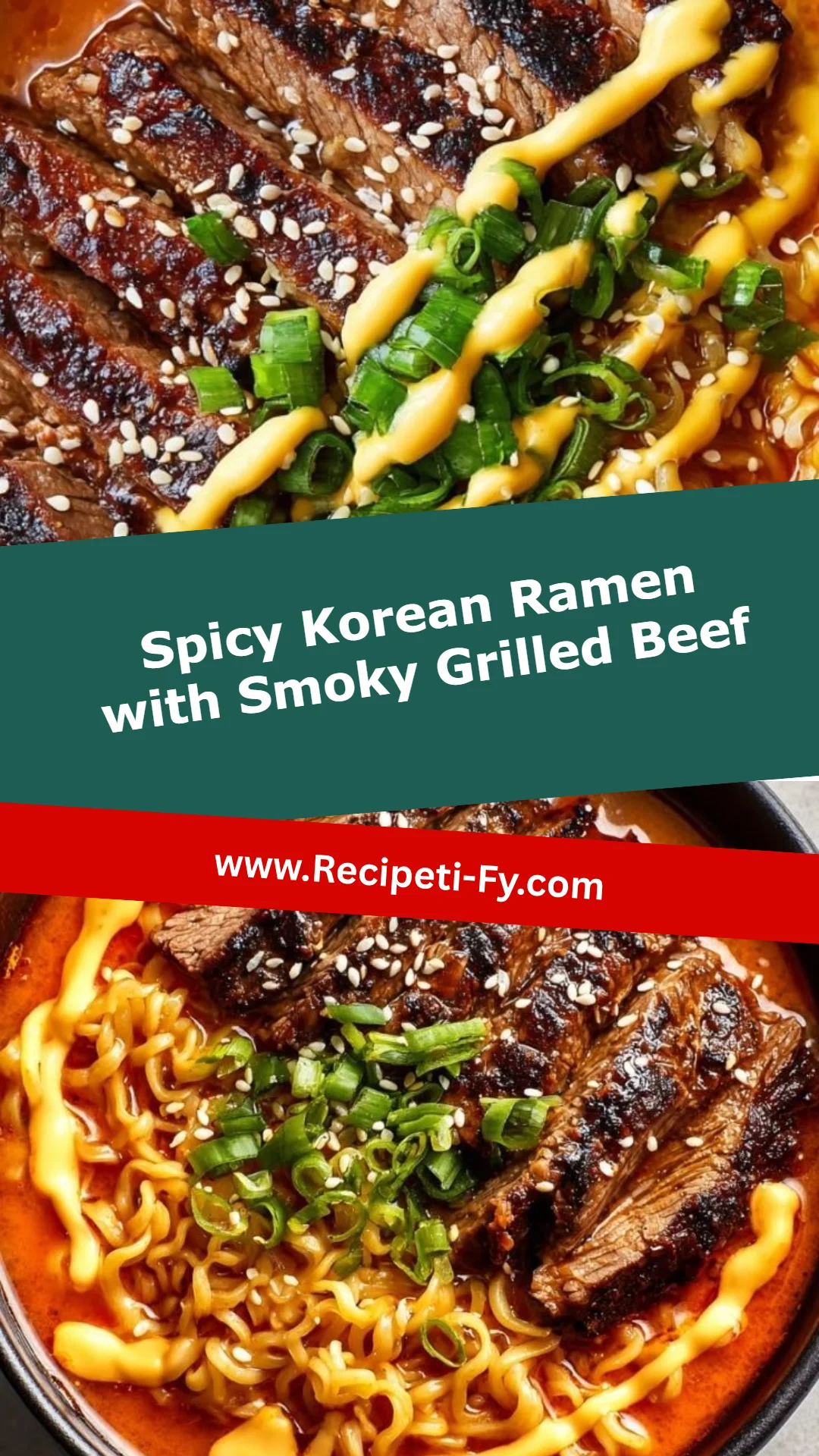
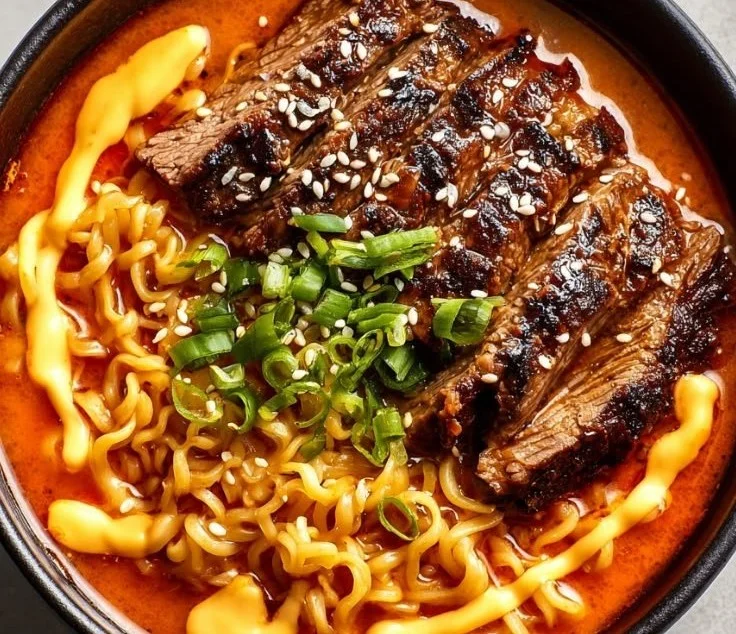
Spicy Korean Ramen with Smoky Grilled Beef is a bold noodle bowl featuring charred, marinated beef atop creamy gochujang-infused broth and springy ramen noodles. The dish delivers balanced heat, savory depth from soy and garlic, and a silky finish from cream or coconut milk for a rich, comforting meal. It cooks quickly yet feels restaurant-worthy when plated with green onions and optional vegetables.
| Prep Time | Cook Time | Total Time | Servings | Difficulty | Cuisine |
|---|---|---|---|---|---|
| 15 minutes active, plus 30 minutes marinating | 15 minutes | 60 minutes (including marinating) | 2-3 servings | Easy to Moderate | Korean-inspired fusion |
Why This Recipe Works
Spicy Korean Ramen with Smoky Grilled Beef works because the seared beef and creamy gochujang broth create layered flavors that play off each other perfectly.
I have tested this combination multiple times at home and in small dinner parties, and it consistently delivers a vibrant, satisfying bowl every time. The marinade penetrates the beef quickly while the grilling adds a smoky char that contrasts with the silky broth and spicy-sweet gochujang, producing a balanced outcome that feels indulgent yet straightforward to prepare.
Ingredients
This ingredient list supports the signature flavors of the Spicy Korean Ramen with Smoky Grilled Beef while allowing easy swaps for dietary needs.
| Ingredient | Quantity | Notes |
|---|---|---|
| Ramen noodles | 2 packages (fresh or dried) | Use fresh for springier texture; any alkaline or instant noodles work |
| Beef (ribeye or sirloin) | 12-16 ounces | Choose thinner steaks for quicker grilling; sirloin is leaner, ribeye is richer |
| Soy sauce | 2 tablespoons | Low-sodium soy can reduce saltiness; tamari for gluten-free |
| Gochujang (Korean chili paste) | 1 1/2 tablespoons | Adjust to taste for heat; use doubanjiang for deeper chili flavor |
| Garlic (minced) | 2 cloves | Fresh garlic gives the best aroma; roasted garlic softens heat |
| Ginger (grated) | 1 teaspoon | Fresh ginger brightens the marinade and balances richness |
| Broth (beef or vegetable) | 4 cups | Use low-sodium broth to control salt, or homemade bone broth for depth |
| Green onions (sliced) | 3 stalks | Reserve some white and green parts separately for garnish and cooking |
| Sesame oil | 1 teaspoon | Toasted sesame oil adds aroma; use sparingly for finishing |
| Cream or coconut milk | 1/2 cup | Cream gives dairy richness; coconut milk makes the broth dairy-free with a subtle sweetness |
| Vegetables (optional: bok choy or mushrooms) | 1-2 cups | Wok-sear or blanch bok choy; sauté mushrooms for umami |
Step-by-Step Instructions
Follow these precise steps to build Spicy Korean Ramen with Smoky Grilled Beef from prep to plating while maximizing flavor and texture.
Phase 1: Prepare Noodles and Vegetables
- Cook the ramen noodles according to package instructions and set them aside, draining well to avoid a soggy broth base.
- Blanch or sauté any optional vegetables, such as bok choy or mushrooms, until just tender and bright in color.
Phase 2: Make Marinade and Marinate Beef
- Combine soy sauce, gochujang, garlic, ginger, and sesame oil in a bowl to create the marinade for the beef, whisking until smooth.
- Marinate the beef in the mixture for at least 30 minutes, turning the meat occasionally to ensure even coating and flavor penetration.
Phase 3: Grill or Sear the Beef
- Preheat a grill or skillet over medium-high heat and brush with a little oil to prevent sticking and promote even charring.
- Cook the marinated beef until charred and cooked to your liking, turning once to develop grill marks and seal juices.
- Slice the cooked beef thinly against the grain to keep it tender and arranged attractively for plating.
Phase 4: Build the Broth and Assemble
- Bring the broth to a simmer in a pot, stirring in cream or coconut milk to create a silky, lightly thickened sauce that carries the gochujang flavor.
- Add the cooked ramen noodles to the simmering broth and mix well to heat evenly and allow noodles to absorb the flavored liquid.
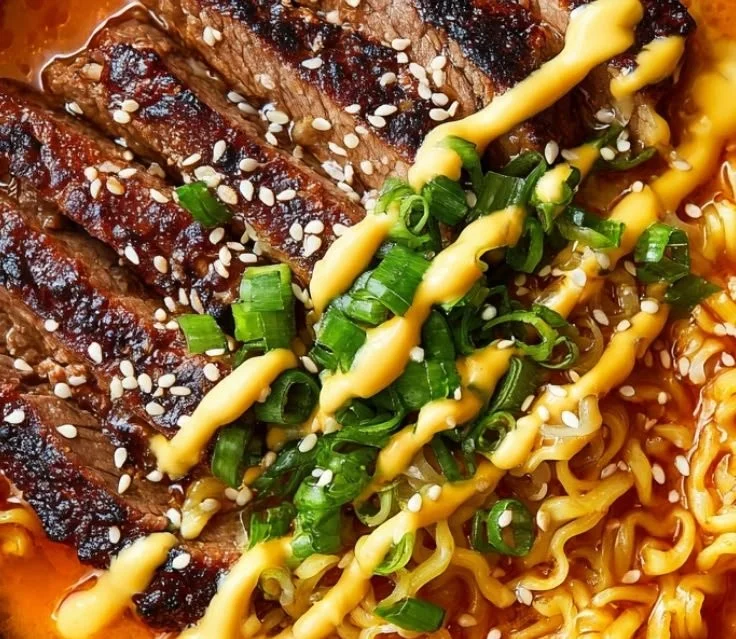
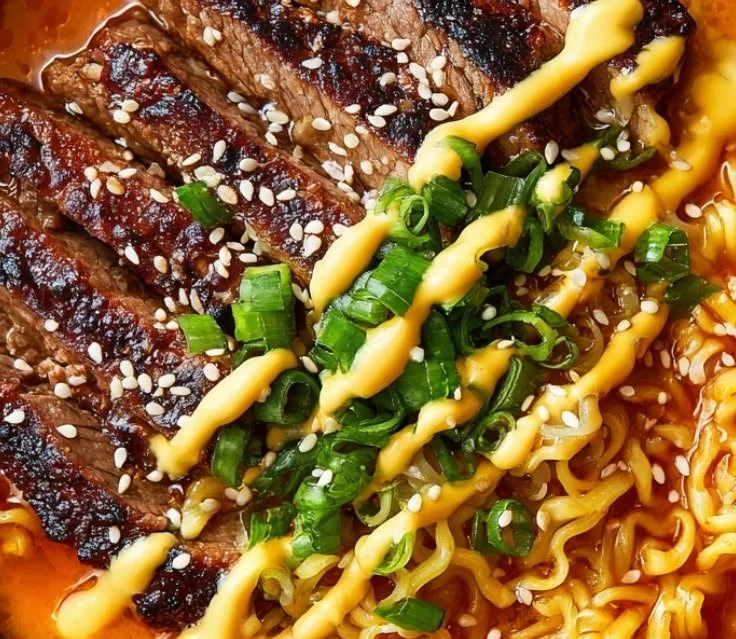
- Serve the ramen in bowls topped with sliced beef, green onions, and any additional vegetables for texture and freshness.
Chef Tips for Perfect Results
Apply these hands-on tips to maximize texture, balance heat, and finish the Spicy Korean Ramen with Smoky Grilled Beef like a pro.
- Pat the beef dry before marinating to help the marinade adhere and to achieve a better char when grilling.
- Use medium-high heat when searing to caramelize the marinade quickly without overcooking the interior of the steak.
- Add cream or coconut milk gradually while gently simmering to prevent split and ensure a smooth broth texture.
- Slice the beef thinly and against the grain to shorten muscle fibers and keep each bite tender and easy to chew.
- Taste the broth before adding noodles and adjust salt with soy or a pinch of fine salt to avoid over-seasoning once noodles absorb liquid.
Common Mistakes to Avoid
Recognize these common pitfalls and learn how to correct them so your Spicy Korean Ramen with Smoky Grilled Beef turns out flawless every time.
- Overcooking the beef: This causes dry, tough slices; fix it by monitoring internal temperature and slicing promptly against the grain after resting.
- Using too much gochujang: Excess paste overwhelms the broth; balance heat by starting with less and adding more in small increments to taste.
- Adding noodles too early: Noodles become mushy if left in broth too long; add them at the end and serve immediately after heating through.
- Skipping the resting period for beef: Cutting too soon loses juices; rest the meat five minutes so juices redistribute before slicing.
- Simmering cream at high heat: High heat can curdle dairy; keep broth at a gentle simmer and stir while adding cream or coconut milk.
Variations and Substitutions
Explore these ingredient swaps to adapt Spicy Korean Ramen with Smoky Grilled Beef for dietary needs, pantry limits, or flavor preferences.
| Ingredient | Substitution | Impact on Flavor |
|---|---|---|
| Beef (ribeye or sirloin) | Chicken thigh or firm tofu | Chicken adds lighter savor; tofu makes the bowl vegetarian while soaking up the marinade. |
| Cream | Coconut milk or cashew cream | Coconut milk adds subtle sweetness and dairy-free richness; cashew cream is neutral and creamy. |
| Gochujang | Sriracha and miso blend | Sriracha brings heat while miso adds umami, though the fermented depth of gochujang is slightly missed. |
| Soy sauce | Tamari or coconut aminos | Tamari keeps the salty, savory profile for gluten-free diets; coconut aminos reduce sodium with mild sweetness. |
| Ramen noodles | Soba or udon noodles | Soba offers a nutty buckwheat note; udon provides thicker, chewier mouthfeel for a different texture. |
Serving Suggestions and Pairings
Serve Spicy Korean Ramen with Smoky Grilled Beef hot, garnished to enhance texture, color, and aroma for a complete eating experience.
Pair the bowl with crisp cucumber kimchi or a small side salad to cut richness and add refreshing acidity for balance during casual weeknight meals or special dinners. Offer steamed rice or a small plate of pan-fried dumplings for group-friendly sharing, and consider a chilled beer or lightly sweetened iced barley tea for beverage pairing when serving guests. For recipe inspiration and complementary dishes, link to other favorites like Korean BBQ, quick kimchi, or comfort noodle bowls to expand the menu.
Storage and Reheating
Store leftover Spicy Korean Ramen with Smoky Grilled Beef properly to preserve texture and flavor, then reheat gently to avoid overcooking noodles and beef.
| Method | Duration | Instructions |
|---|---|---|
| Refrigeration | 3-4 days | Store broth, noodles, and sliced beef in an airtight container separately if possible to maintain texture. |
| Freezing | Up to 2 months (broth only) | Freeze broth without cream; thaw overnight and add fresh cream when reheating for best results. |
| Reheating – stovetop | 5-8 minutes | Gently simmer broth, add noodles briefly, then top with chilled beef slices to warm without overcooking. |
| Reheating – microwave | 1-3 minutes | Heat broth in short intervals, stir between bursts, then combine with noodles and add beef at the end. |
Nutritional Information
Approximate values per serving reflect a typical preparation of Spicy Korean Ramen with Smoky Grilled Beef and should be used as estimates only.
| Nutrient | Amount per Serving (Approximate values) |
|---|---|
| Calories | 650 kcal |
| Total Fat | 28 g |
| Saturated Fat | 10 g |
| Protein | 35 g |
| Total Carbohydrates | 60 g |
| Sodium | 1200 mg |
| Fiber | 4 g |
Frequently Asked Questions
Answer common queries about ingredients, cooking times, troubleshooting, and make-ahead options for Spicy Korean Ramen with Smoky Grilled Beef.
Can I substitute gochujang with another chili paste?
Yes, you can substitute gochujang with a blend of miso and chili paste for similar umami and heat, though the flavor shifts slightly. Combine a tablespoon of chili sauce with half a tablespoon of miso and adjust sweetness to mimic gochujang’s fermented profile. Taste and adjust seasoning gradually so heat and salt remain balanced.
How do I know when the beef is cooked to the right doneness?
Use an instant-read thermometer to check internal temperature for precise doneness: 125-130°F for medium-rare, 135°F for medium. Allow the steak to rest for five minutes after cooking to let juices redistribute and final temperature to rise. Slice against the grain to preserve tenderness and present uniform slices.
What should I do if the broth tastes too salty or too spicy?
If the broth is too salty, dilute it with low-sodium broth or a splash of water and add a little cream to mellow the salt. If the broth is too spicy, add sweetness with a small amount of sugar or honey and increase cream or coconut milk to temper heat. Always adjust incrementally and taste after each change.
Can I make the beef and broth ahead of time for a meal prep plan?
Yes, you can marinate and grill the beef ahead, and prepare the broth up to two days before serving, storing components separately in the refrigerator. Reheat broth gently and add noodles and beef at serving time to preserve texture and prevent sogginess. Keep sauces and garnishes chilled and assemble bowls just before eating.
What is the best way to serve ramen so the noodles don’t get mushy?
Serve the ramen immediately after combining noodles with hot broth to prevent over-softening of the noodles. Keep noodles and broth separate if you expect delayed serving, and add noodles to bowls only when ready to eat. If preparing ahead, shock noodles in cold water to stop cooking, then briefly reheat in simmering broth.
Conclusion
Spicy Korean Ramen with Smoky Grilled Beef offers an exciting blend of charred meat, spicy gochujang, and creamy broth that elevates weeknight cooking into a memorable meal. Try slight variations like coconut milk for dairy-free richness or swap beef for tofu when necessary, and plate with scallions and quick-pickled vegetables for brightness. For additional inspired recipes and techniques, explore this detailed homemade shin cup-style spicy Korean ramyun beef noodle soup, browse complementary dishes on the Noodles & Company menu, or experiment with quick saucy noodle ideas from the 15-minute sweet and savory BBQ noodles. Embrace the spicy, smoky, creamy signature flavor and enjoy building bowls to suit every diner.
Spicy Korean Ramen with Smoky Grilled Beef
Ingredients
Method
- Cook the ramen noodles according to package instructions and set them aside, draining well to avoid a soggy broth base.
- Blanch or sauté any optional vegetables, such as bok choy or mushrooms, until just tender and bright in color.
- Combine soy sauce, gochujang, garlic, ginger, and sesame oil in a bowl to create the marinade for the beef, whisking until smooth.
- Marinate the beef in the mixture for at least 30 minutes, turning the meat occasionally to ensure even coating and flavor penetration.
- Preheat a grill or skillet over medium-high heat and brush with a little oil to prevent sticking and promote even charring.
- Cook the marinated beef until charred and cooked to your liking, turning once to develop grill marks and seal juices.
- Slice the cooked beef thinly against the grain to keep it tender and arranged attractively for plating.
- Bring the broth to a simmer in a pot, stirring in cream or coconut milk to create a silky, lightly thickened sauce that carries the gochujang flavor.
- Add the cooked ramen noodles to the simmering broth and mix well to heat evenly and allow noodles to absorb the flavored liquid.
- Serve the ramen in bowls topped with sliced beef, green onions, and any additional vegetables for texture and freshness.