

Easy Chow Mein Recipe: Get Takeout Flavor in 30 Minutes
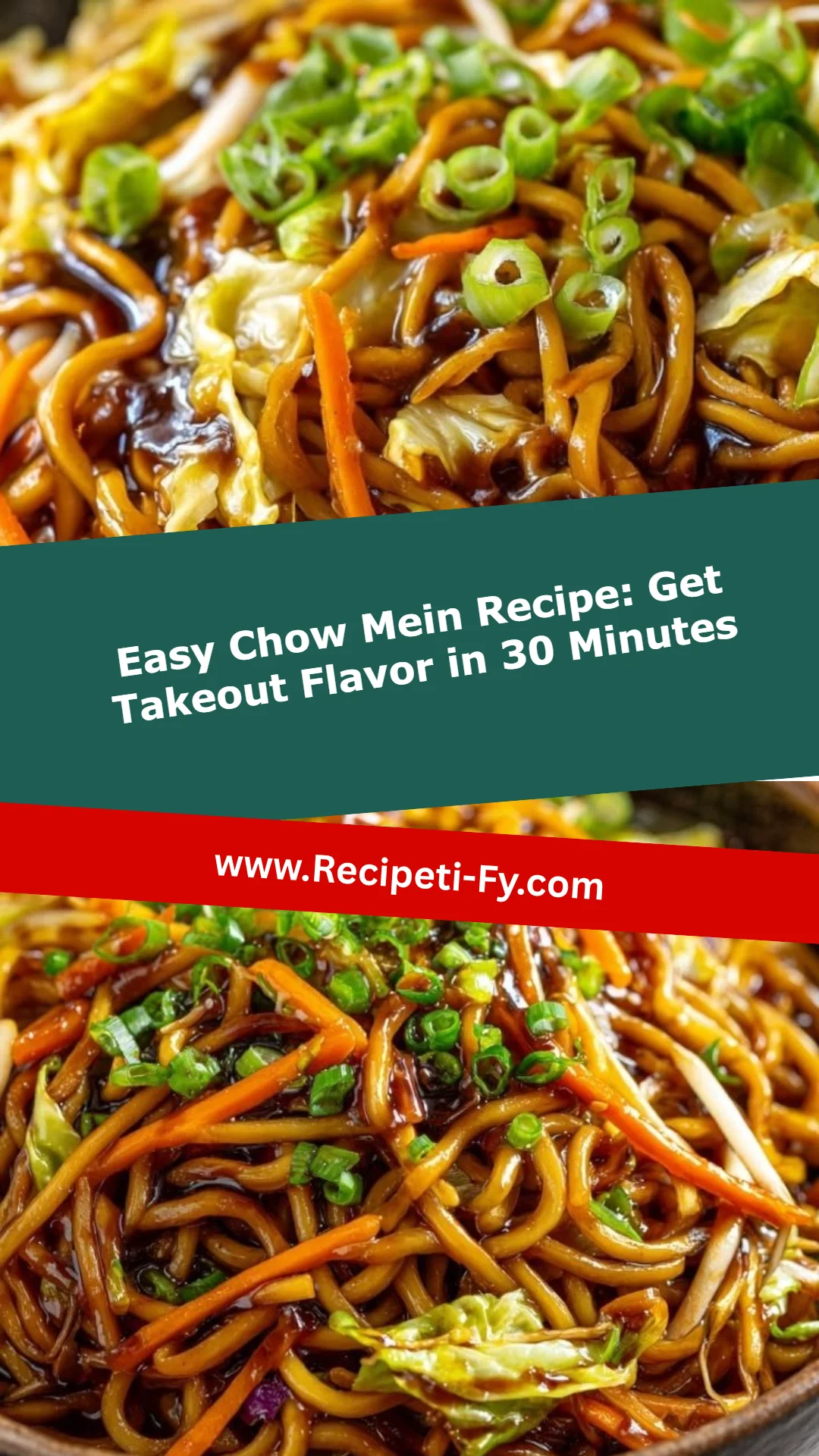
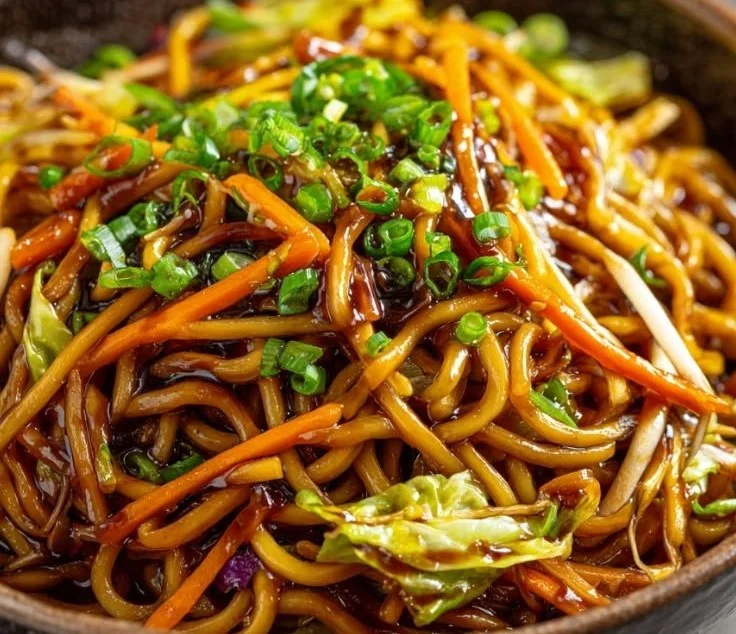
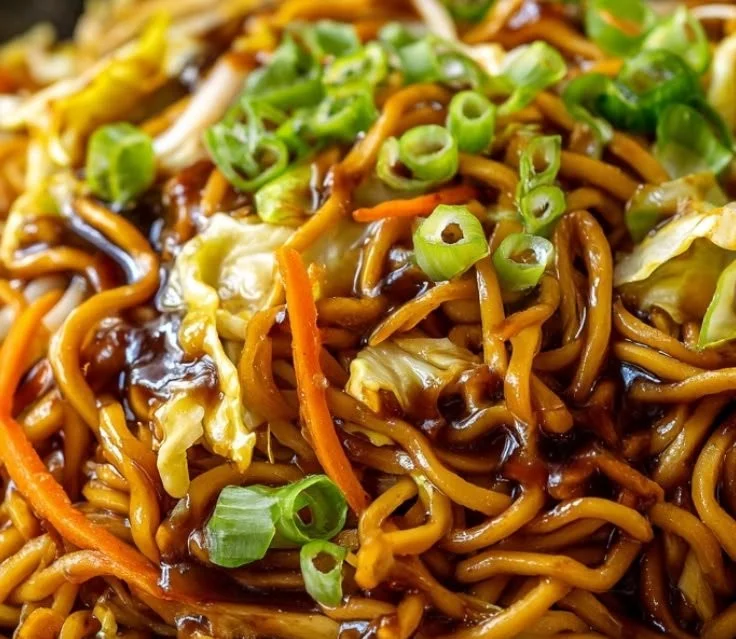
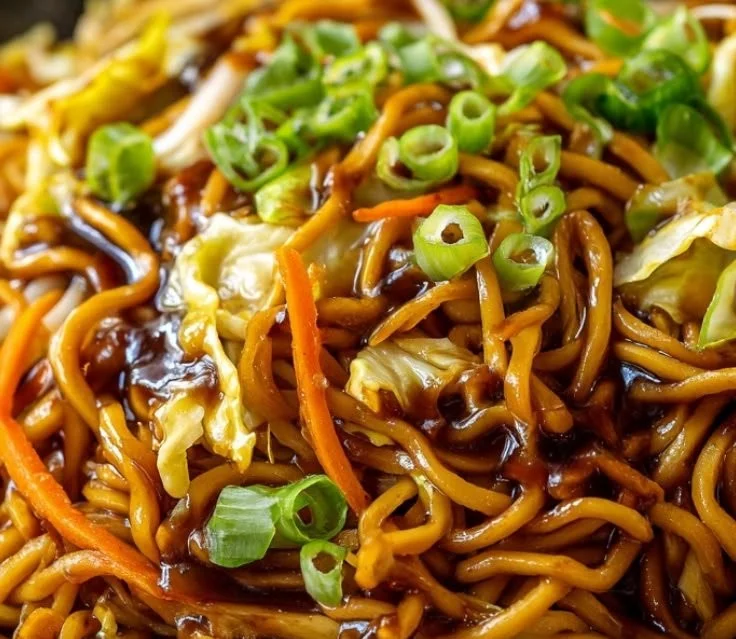
Easy Chow Mein Recipe: Get Takeout Flavor in 30 Minutes is a quick stir-fried noodle dish that delivers classic takeout taste. This version uses simple pantry sauces and fresh vegetables to produce a glossy, savory finish in thirty minutes flat.
| Prep Time | 10 minutes |
| Cook Time | 15 minutes |
| Total Time | 25 minutes |
| Servings | 2-3 servings |
| Difficulty | Easy |
| Cuisine | Chinese-American Stir-Fry |
Why This Recipe Works
This recipe works because it balances fast cooking noodles with a high-heat stir-fry technique that locks in texture. I rely on a simple three-sauce mix and a cornstarch slurry to produce the glossy, clingy sauce typical of takeout chow mein.
I have tested this recipe with several noodle types and found that quick boiling, cold rinsing, and finishing over very high heat reproduce the slightly chewy, springy noodles you expect. I also use toasted sesame oil and dark soy sparingly to layer savory depth without overpowering the vegetables.
Ingredients
| Ingredient | Quantity | Notes |
|---|---|---|
| Dried chow mein noodles | 8 oz (225g) | Boil until al dente; lo mein or thin egg noodles work as alternatives |
| Neutral oil (canola or vegetable) | 2 tbsp (30ml) | Use peanut oil for more aroma if desired |
| Carrots, peeled and julienned | 2 medium | Substitute matchstick frozen carrots for convenience |
| Green cabbage, thinly shredded | 0.5 small head | Napa cabbage makes it softer and sweeter |
| Fresh bean sprouts | 2 cups (200g) | Add at the end for crunch; mung bean sprouts recommended |
| Garlic, minced | 3 cloves | Use garlic paste for speed |
| Fresh ginger, grated | 1 tbsp (15g) | Ground ginger can be used, but fresh is brighter |
| Green onions, chopped | 4 stalks | Separate whites and greens for layered cooking |
| Low-sodium soy sauce | 3 tbsp (45ml) | Adjust to taste; regular soy sauce increases saltiness |
| Dark soy sauce | 1 tbsp (15ml) | Provides color and mild sweetness; molasses as last resort |
| Oyster sauce | 2 tbsp (30ml) | Substitute hoisin for vegetarian option but taste changes |
| Toasted sesame oil | 1 tsp (5ml) | Add at end for aroma; do not use for frying |
| Granulated sugar | 1 tsp (4g) | Balances salt and acidity; honey can substitute |
| Cornstarch | 1 tsp (3g) | Create a slurry to thicken sauce |
| Water (for slurry) | 2 tsp (10ml) | Use cold water to avoid lumps |
Step-by-Step Instructions
Prepare Noodles
- Cook the chow mein noodles according to package directions until al dente.
- Drain and rinse the noodles with cold water to stop cooking and remove surface starch.
- Set the noodles aside in a shallow bowl and toss lightly with a few drops of oil to prevent sticking.
Make Sauce
- Whisk together low-sodium soy sauce, dark soy sauce, oyster sauce, toasted sesame oil, and granulated sugar in a small bowl.
- Mix cornstarch and water in a tiny separate bowl to create a smooth slurry.
Stir-Fry Vegetables and Aromatics
- Heat a wok or large skillet over high heat until very hot, then add the neutral oil and swirl to coat.
- Add minced garlic and grated ginger to the hot oil and stir-fry for thirty seconds until fragrant.
- Introduce julienned carrots and shredded cabbage and stir-fry for two to three minutes until the cabbage begins to wilt.
- Add the white parts of the chopped green onions and stir for thirty seconds to build savory aromatics.
Combine and Finish
- Add the cooked noodles to the wok and pour the prepared sauce directly over the noodles and vegetables.
- Toss vigorously with tongs to coat the noodles and vegetables completely in the sauce.
- Pour in the cornstarch slurry and continue tossing for one minute until the sauce thickens and becomes glossy.
- Turn off the heat, fold in fresh bean sprouts and the remaining green onion greens, and serve immediately.
Chef Tips for Perfect Results
- Use high heat throughout cooking to quickly sear vegetables and keep noodles slightly chewy for authentic texture.
- Rinse noodles immediately in cold water to halt cooking and prevent over-softening during the toss.
- Keep ingredient mise en place because stir-frying at high heat moves rapidly and requires fast additions.
- Whisk the sauce thoroughly so the oyster and dark soy emulsify, ensuring even coating on noodles.
- Add the cornstarch slurry gradually and stir constantly to reach a shiny, thickened sauce without clumps.
Common Mistakes to Avoid
- Overcooking noodles: This makes them mushy and limp; fix by boiling until just al dente and rinsing under cold water immediately.
- Using low heat: Low heat produces steamed vegetables and watery sauce; fix by preheating a wok or skillet until very hot.
- Adding slurry too early: Early thickening causes gluey sauce during tossing; fix by adding slurry at the end and stirring for one minute only.
- Skipping oil on noodles: Dry noodles clump together; fix by tossing with a teaspoon of neutral oil after rinsing.
- Overloading the pan: Crowding lowers temperature and steams ingredients; fix by working in batches or using a larger wok.
Variations and Substitutions
| Ingredient | Substitution | Impact on Flavor |
|---|---|---|
| Dried chow mein noodles | Lo mein or fresh egg noodles | Lo mein yields a softer texture while fresh egg noodles taste richer and more tender |
| Oyster sauce | Hoisin sauce or vegetarian stir-fry sauce | Hoisin adds sweetness and tang; vegetarian sauce removes seafood notes |
| Dark soy sauce | Kecap manis or regular soy + pinch of sugar | Kecap manis adds sweetness and thicker glaze; regular soy increases saltiness |
| Neutral oil | Peanut oil or grapeseed oil | Peanut oil adds a nutty aroma and slightly richer mouthfeel |
| Bean sprouts | Shredded bell pepper or snap peas | Bell pepper adds sweetness; snap peas add crunch without the sprout flavor |
Serving Suggestions and Pairings
Serve this chow mein as a main dish for casual weeknight dinners and family meals. Pair with steamed dumplings, hot and sour soup, or a crisp cucumber salad for a balanced meal.
Offer specific pairings like pork potstickers, vegetable spring rolls, or steamed bok choy with garlic oil for entertaining. Link internally for related recipes at chicken chow mein and vegetarian noodle bowls.
Storage and Reheating
| Method | Duration | Instructions |
|---|---|---|
| Refrigerator | 3-4 days | Store in an airtight container and cool completely before refrigerating to retain texture. |
| Freezer | Up to 1 month | Flash-freeze on a tray, then transfer to a freezer bag; thaw overnight in refrigerator before reheating. |
| Reheat on stove | Immediate | Warm in a hot wok with a teaspoon of oil and a splash of water to refresh the sauce and separate the noodles. |
| Reheat in microwave | Immediate | Cover loosely and heat in short intervals, stirring between bursts to distribute heat evenly and prevent dryness. |
Nutritional Information
| Nutrient | Amount per Serving |
|---|---|
| Calories | Approximately 420 kcal |
| Protein | Approximately 12 g |
| Carbohydrates | Approximately 64 g |
| Fat | Approximately 10 g |
| Sodium | Approximately 900 mg |
| Fiber | Approximately 4 g |
| Note | Approximate values. |
Frequently Asked Questions
Can I substitute other noodles for chow mein noodles?
Yes, you can substitute lo mein or fresh egg noodles for chow mein noodles without major issues. Expect slightly different textures; lo mein is softer and fresh egg noodles are richer, which alters mouthfeel but retains the overall flavor profile.
How do I know when the noodles are properly al dente?
Cook the noodles until they are firm to the bite but not hard in the center. Test by tasting a strand; it should offer slight resistance yet be fully cooked through.
What should I do if the sauce becomes too thick or gloopy?
Thin the sauce by adding a splash of warm water or low-sodium stock while tossing aggressively. Continue to toss over heat for thirty seconds to reincorporate and regain a glossy consistency.
Can I make this chow mein ahead of time?
Yes, you can prepare the components ahead and finish quickly before serving for best texture. Keep noodles and sauce separate, refrigerate vegetables and sauces, and combine in a hot wok just before serving.
What are good protein additions for this recipe?
Add sliced chicken, beef strips, or shrimp for a protein-forward version of this dish. Cook proteins first, rest them while stir-frying vegetables, then return them to the wok when adding noodles and sauce.
For additional technique guidance, see internal resources on stir-fry sauces and high-heat wok methods at stir-fry sauces and stir-fry techniques.
Conclusion
Easy Chow Mein Recipe: Get Takeout Flavor in 30 Minutes delivers the savory, glossy noodles and crisp vegetables you expect from restaurant chow mein. Follow the high-heat stir-fry steps, use the three-sauce mix, and finish with a cornstarch slurry for authentic texture and shine. Try suggested pairings and reheating tips for weeknight dinners that taste like takeout with homemade control.
For related variations, see a beef-focused version at Beef Chow Mein | Homemade Chinese Food Recipe, a seafood take at Shrimp Chow Mein Stir Fry – Easy one pot meal, 30 minute recipe, and a quick chicken option at 15 Minute Easy Chicken Chow Mein Recipe – I Am A Food Blog.
Chow Mein
Ingredients
Method
- Cook the chow mein noodles according to package directions until al dente.
- Drain and rinse the noodles with cold water to stop cooking and remove surface starch.
- Set the noodles aside in a shallow bowl and toss lightly with a few drops of oil to prevent sticking.
- Whisk together low-sodium soy sauce, dark soy sauce, oyster sauce, toasted sesame oil, and granulated sugar in a small bowl.
- Mix cornstarch and water in a tiny separate bowl to create a smooth slurry.
- Heat a wok or large skillet over high heat until very hot, then add the neutral oil and swirl to coat.
- Add minced garlic and grated ginger to the hot oil and stir-fry for thirty seconds until fragrant.
- Introduce julienned carrots and shredded cabbage and stir-fry for two to three minutes until the cabbage begins to wilt.
- Add the white parts of the chopped green onions and stir for thirty seconds to build savory aromatics.
- Add the cooked noodles to the wok and pour the prepared sauce directly over the noodles and vegetables.
- Toss vigorously with tongs to coat the noodles and vegetables completely in the sauce.
- Pour in the cornstarch slurry and continue tossing for one minute until the sauce thickens and becomes glossy.
- Turn off the heat, fold in fresh bean sprouts and the remaining green onion greens, and serve immediately.